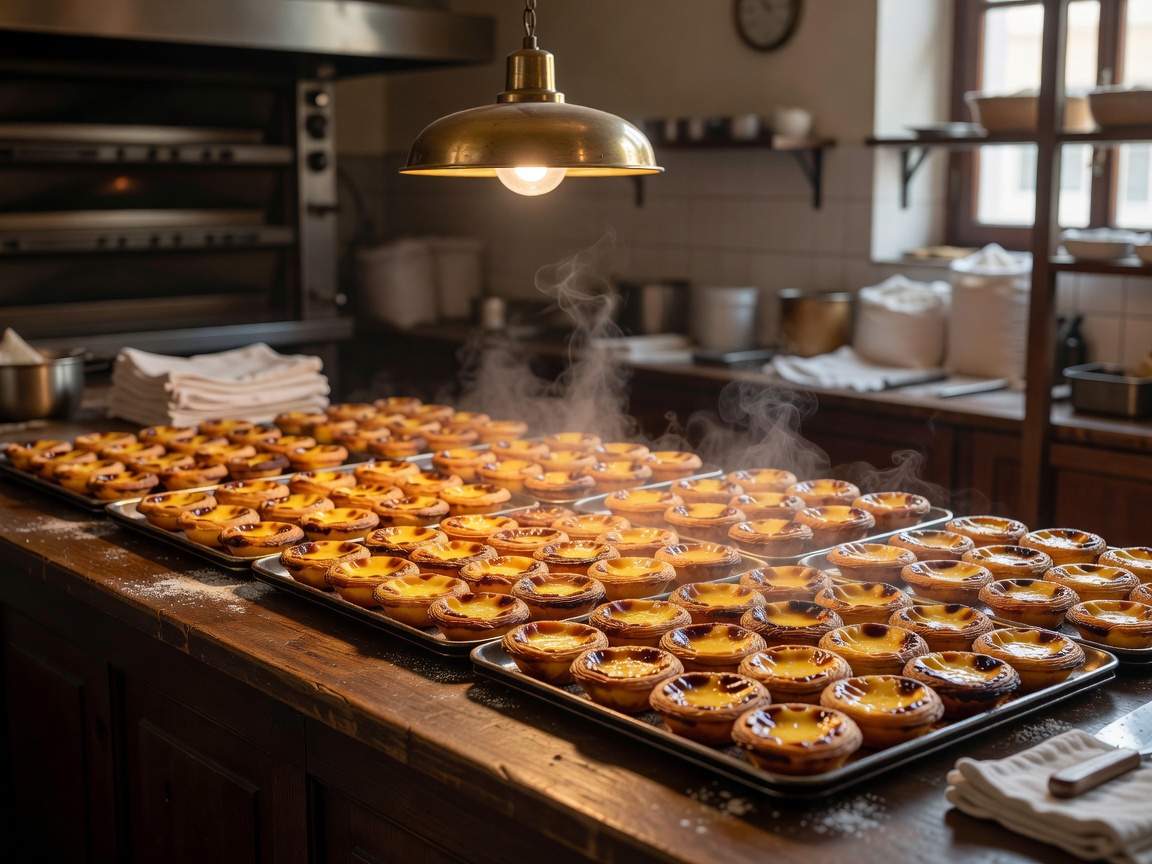
Warm pastéis de nata, baked every forty minutes from five in the morning.
Pickpantrystorypuls is a small bakery café on a steep street in Bica. We laminate our own dough, set our custard by hand and pull coffee the Portuguese way — short, dark and a little sweet. These guides explain what we make, what it costs and how to enjoy it properly.
Five things worth knowing before you order
Written by the people who bake, brew and serve here. No filler, real prices, honest opinions.
-
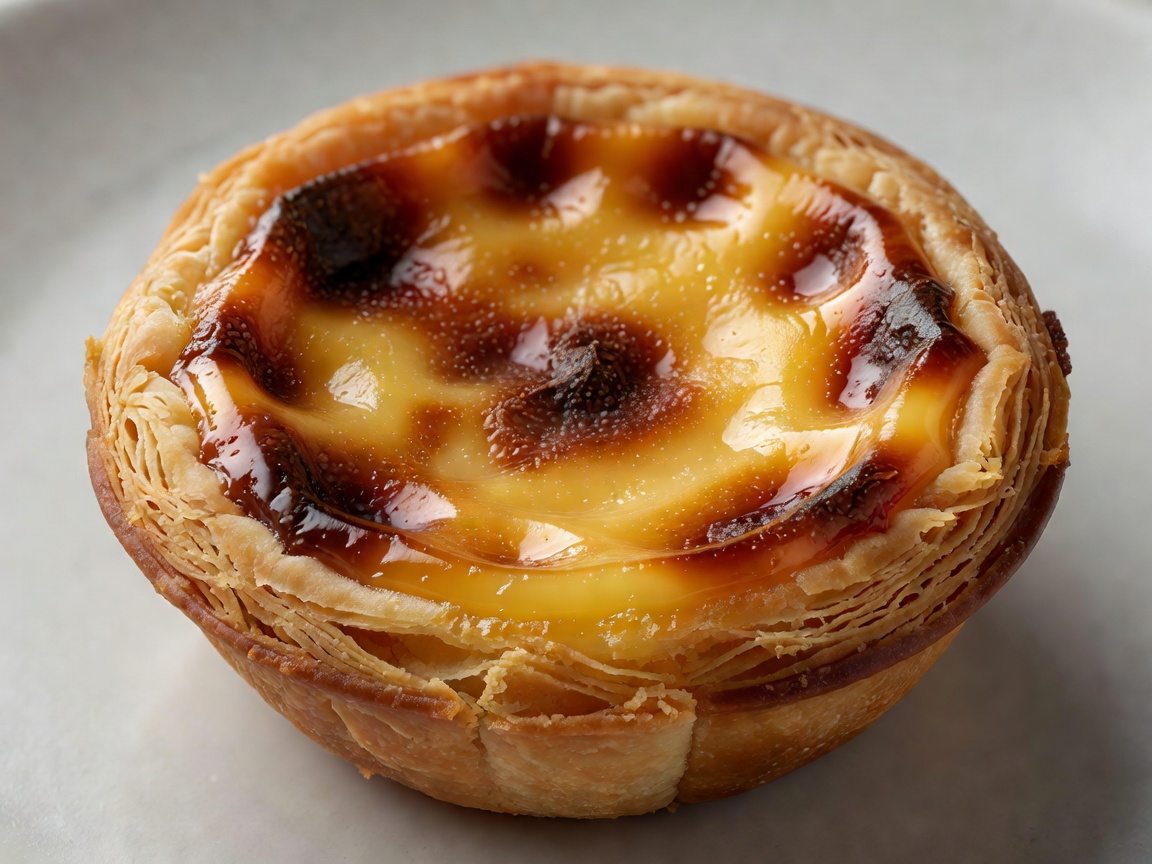
Twelve minutes at 290°C gives the custard its scorched freckles. How we bake pastéis de nata, and how to judge a good one
From the monks of Belém to our thumb-pressed tins: the dough, the custard, the oven temperature and the €1.30 price tag explained. Plus a checklist for spotting a tart worth queuing for.
Read the guide -
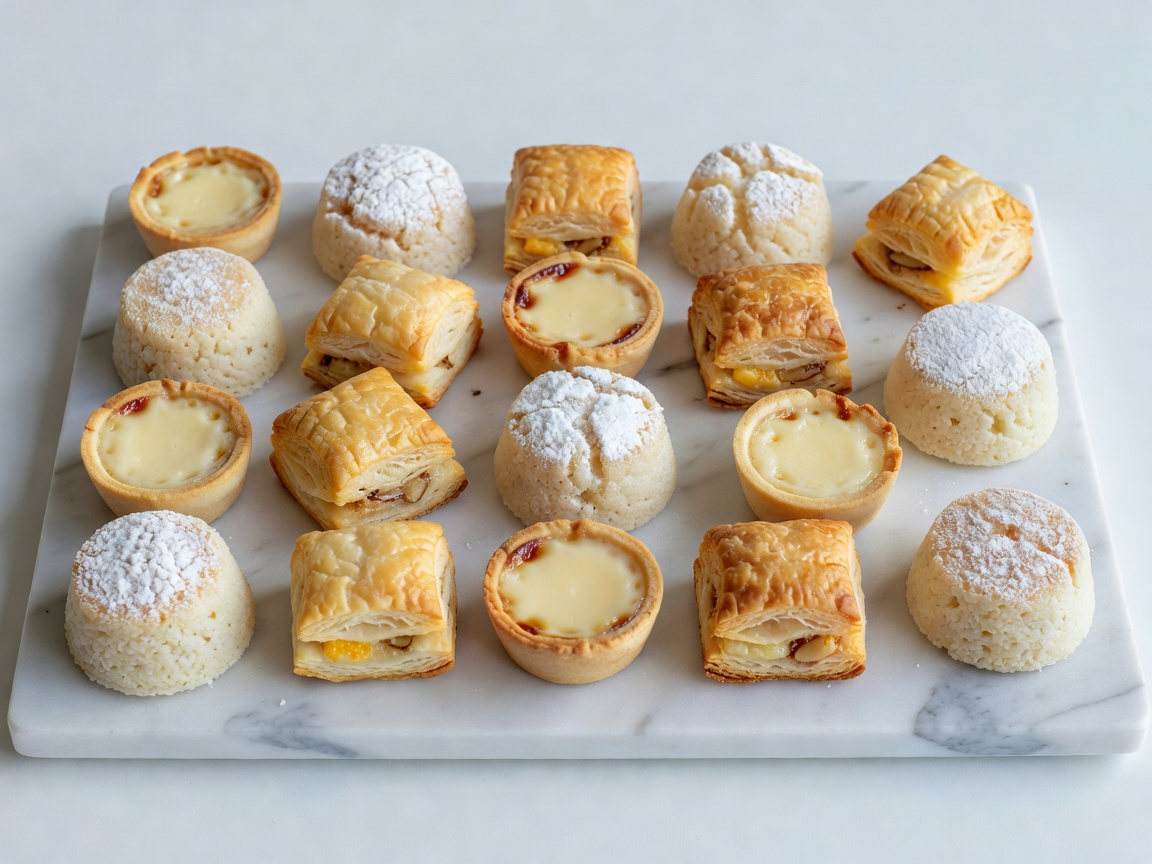
Bolo de arroz, travesseiro and queijada, the morning bench. Beyond the nata: a field guide to Portuguese pastries
Eight pastries you should try at least once, where each comes from, how sweet it is and what we charge. Includes a comparison table and the seasonal bakes that only appear a few weeks a year.
Read the guide -
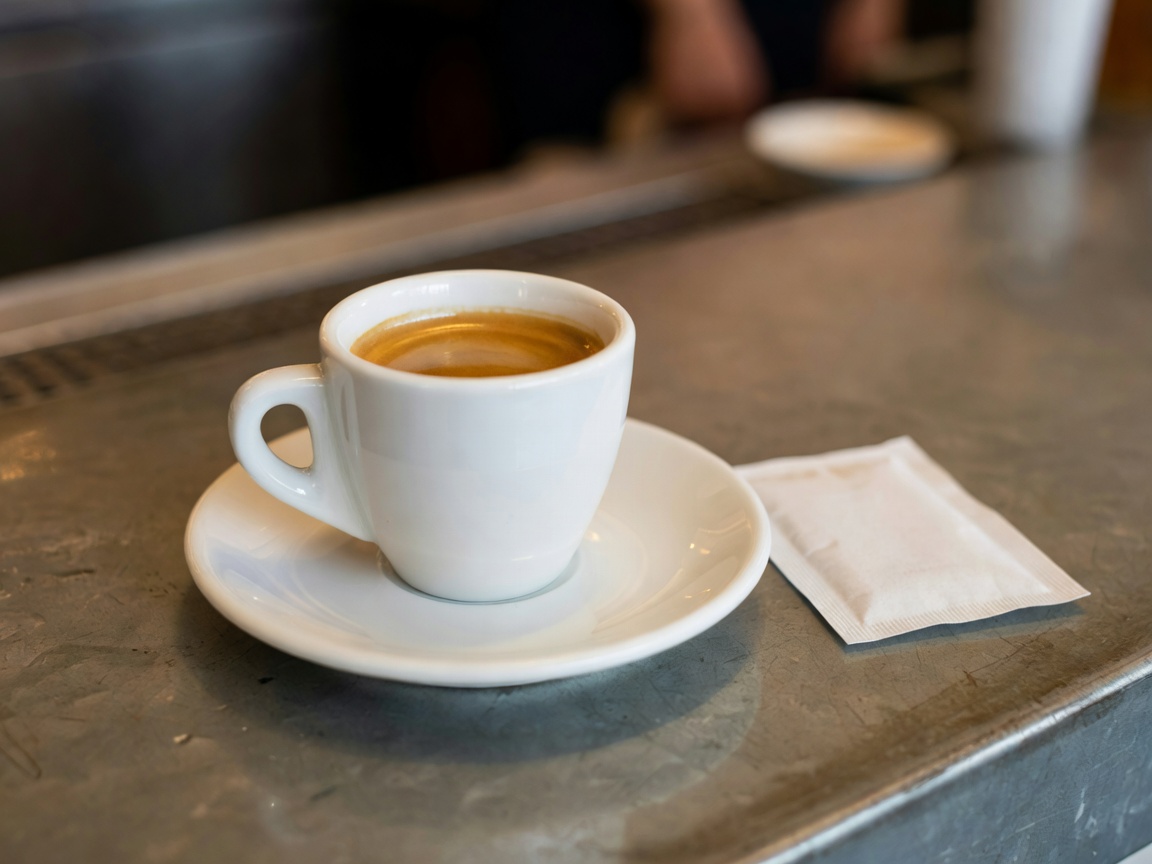
A bica: 36 grams of coffee, taken standing at the balcão. Portuguese coffee, decoded: bica, galão, meia de leite and the rest
Lisbon has its own coffee vocabulary and it trips up almost every visitor. Every drink on our board, its size, milk ratio and price, plus how our blend is roasted and pulled.
Read the guide -
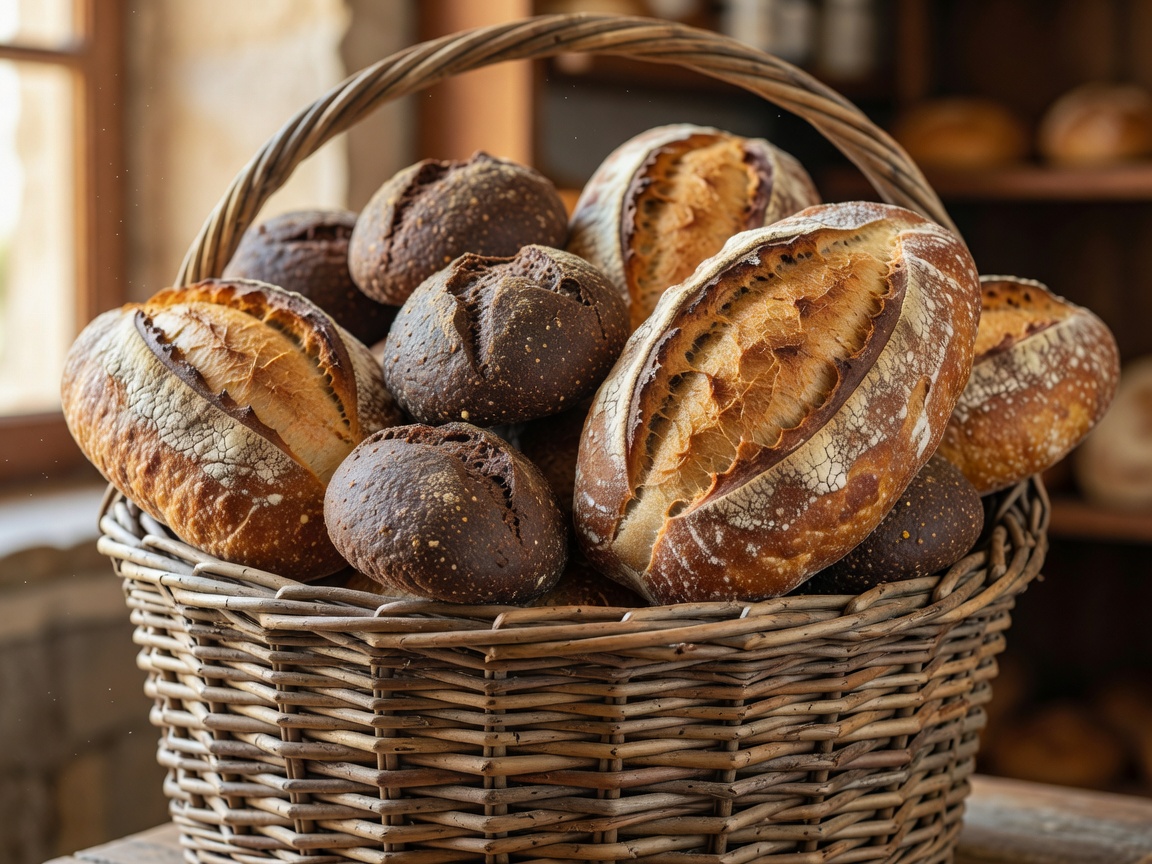
Pão alentejano and broa, out of the oven at eight. Bread and breakfast: sourdough, broa and the Lisbon morning
Five breads, their flours, weights and prices, the bake schedule so you know when each comes out, and the full breakfast menu from a €2.40 torrada to the €9.80 Completo.
Read the guide -
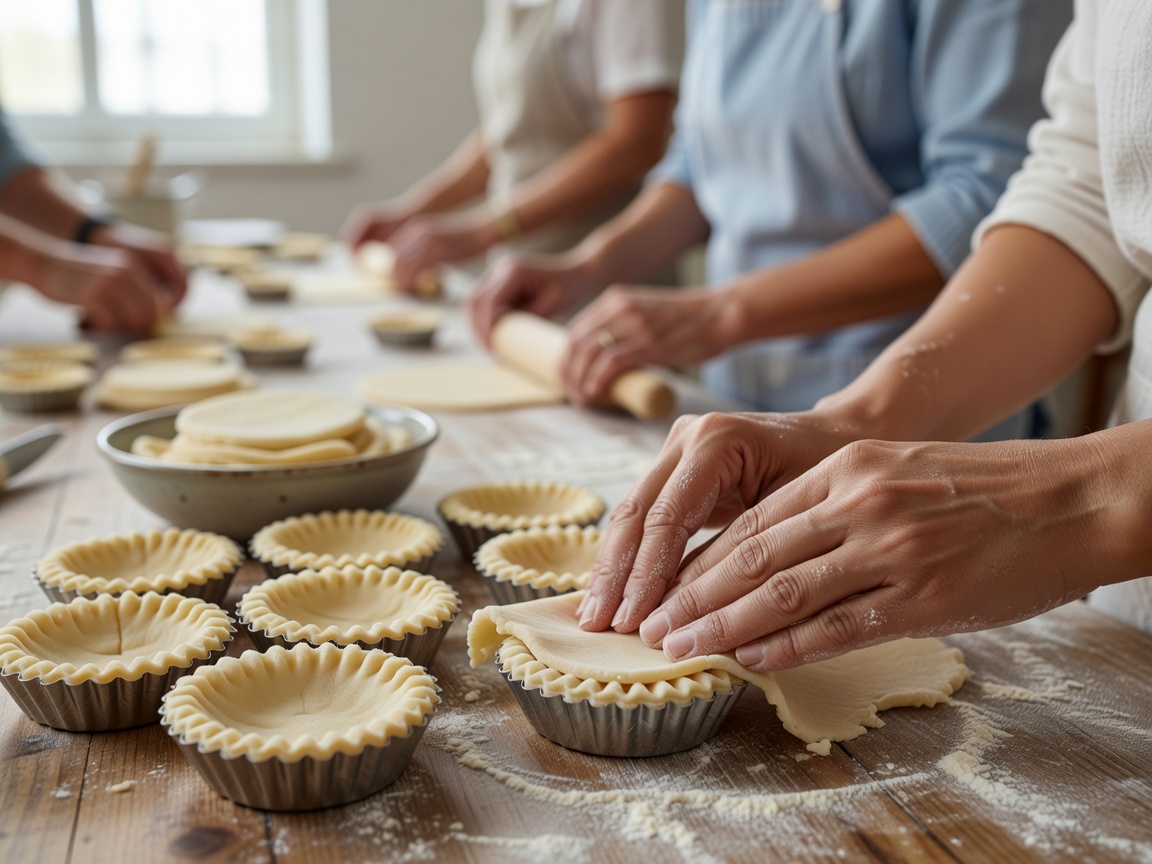
Saturday workshop: pressing the dough thin with a wet thumb. Nata workshops, private hire and catering
Learn to laminate and bake a dozen natas in two and a half hours, hire the café for an evening, or order breakfast trays for the office. Packages, prices, lead times and the cancellation policy.
Read the guide
What a Tuesday looks like
Open Tuesday to Sunday, 07:00–19:00. Closed Mondays for deep cleaning and dough experiments.
The day begins in the dark. The night dough, rested since the previous afternoon, is rolled into long sheets, brushed with cultured butter and coiled. By half past five the first custard is thickening in a copper pan while the deck oven climbs to temperature. At six the door is unlocked for the neighbours who take a bica standing, and at seven the sign turns.
Bread follows a slower rhythm: carcaças at 06:30, the sourdough loaves at 08:00, a second bake at 11:30 for the lunch trade. Pastries other than nata come out in a single morning run and are gone by mid-afternoon. If you want a travesseiro, come before two. If you want a nata, come whenever — there is always a tray with a few minutes on it.